Running a food business in Nigeria can feel like a constant hustle. Every day is filled with supervising staff, managing supplies, handling customers, and keeping operations moving despite power issues and rising costs. From the outside, it often looks like success.
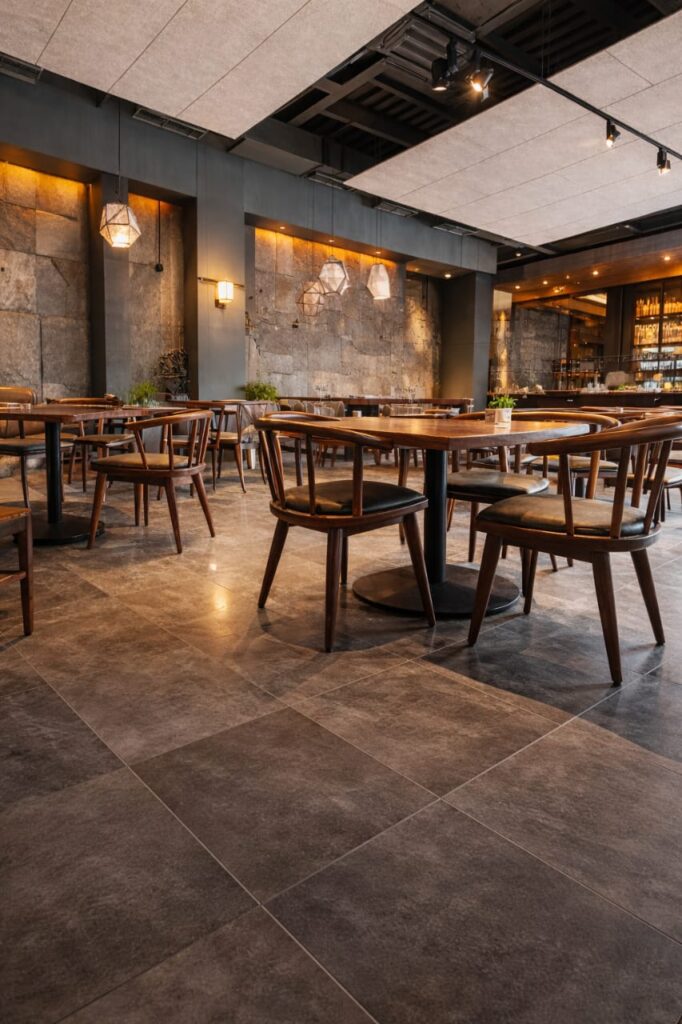
Walk into a busy restaurant on a Friday night in Lagos, and you will see full tables, dispatch riders lined up, and receipts printing nonstop. It looks like everything is working.
But here is the uncomfortable truth: many of these businesses are not actually profitable.
They are busy but broke.
This is one of the biggest hidden problems in the Nigerian hospitality industry. Restaurants are generating revenue daily, yet struggling to retain profit at the end of the month. The money comes in, but it does not stay.
Why?
Because revenue is not profit.
A lot of food business owners unknowingly operate what is essentially a “pass-through system.” Money flows from customers straight to suppliers, staff salaries, rent, diesel, and other expenses, leaving little or nothing behind.
The illusion of success is driven by activity. When your kitchen is busy, it feels like you are doing something right. But activity without structure can actually hide serious financial problems.
In fact, based on industry observations across restaurants, cafés, and lounges in Nigeria, this pattern is extremely common. Businesses generate hype, attract customers, and stay operational but lack the systems needed to keep profit.

To understand this better, let us look at a real scenario.
A Lagos-based café was generating about ₦3.5 million monthly. On paper, that sounds impressive. The owners believed the business was thriving because of the steady flow of customers and constant sales.
But after a proper financial audit, the reality was shocking.
The business was making less than ₦500,000 in actual profit.
That means over 85% of their revenue was being consumed by hidden costs like food waste, poor portion control, diesel expenses, and operational inefficiencies.
They were not building wealth. They were just sustaining operations.
This is where many restaurant owners get stuck. They confuse hard work with business success. Long hours, constant movement, and full tables feel like progress but without financial control, they don’t translate to profit.
If your restaurant is always busy but your bank account does not reflect it, then something is leaking.
And until you identify and fix those leaks, growth will only increase your losses.
Because here is the reality:
If your system is broken, more sales won’t fix it – they will expose it.
If this sounds familiar, you have two options:
If you want tailored, hands-on support to identify where your money is leaking and how to fix it, book a consultation session with us. We will break down your operations, uncover inefficiencies, and give you a clear path to profitability.
If you prefer to learn how to build these systems yourself, then enroll in our Restaurant Management Course (April Cohort), where we walk you through the exact frameworks, tools, and processes successful operators use to run profitable food businesses.
Whichever path you choose, the important thing is this:
Do not stay stuck in a cycle of being busy but broke.
Review your numbers. Track your costs. Identify your biggest leaks. Fix one problem at a time.
Get the right support, build the right systems, and make decisions based on data, not assumptions.