
Business Students Hospitality Food business Business owners
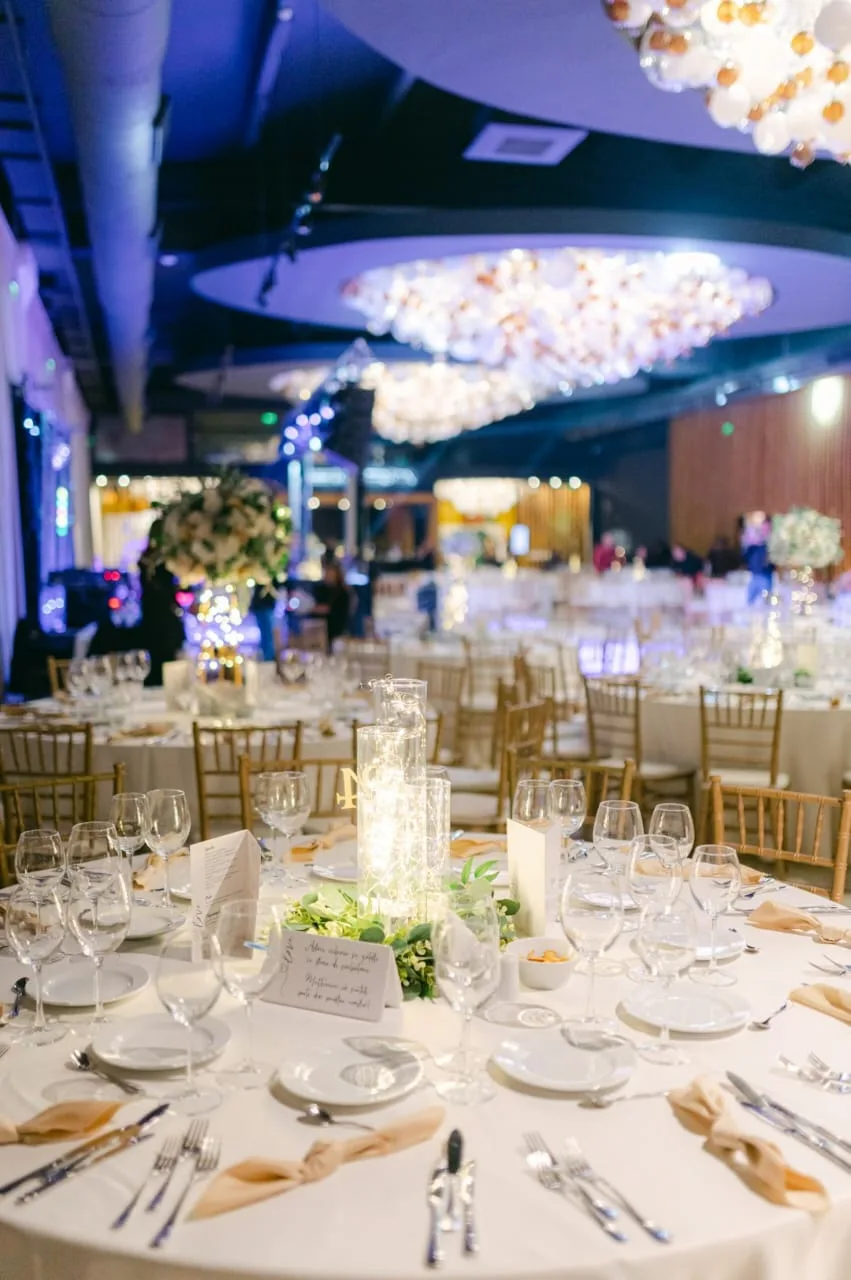
In Nigeria, events are a big part of how people celebrate. From weddings, birthdays and traditional engagements to corporate dinners, award ceremonies and product launches, there is a market for people who can transform ordinary spaces into memorable experiences.
But there is a business side to event styling that beautiful Instagram pictures rarely show.
Event styling styling is the art of decorating and styling an event space to create a particular look and atmosphere.
An event stylist must think about more than colours, flowers, centrepieces and backdrops. There is the cost of materials, transportation, labour, equipment, supplier payments, client expectations and the pressure to deliver everything on time.
Let us take a look at some important business lessons for anyone running or considering an event styling business.
Stop pricing based on what you see in other people's work.
Seeing another stylist charge N500,000 does not mean you should charge the same amount. You may be using different materials, hiring more workers or handling a more complicated set-up.
Before sending a quotation, calculate the cost of materials, rentals, transportation, labour, installation and dismantling. Add your business expenses and profit.
If you spend N350,000 executing a project and charge N400,000, your apparent gain is N50,000. But have you accounted for the time spent sourcing materials, meeting the client and managing the project? Have you included unexpected expenses?
Know when to buy and when to rent.
One of the biggest decisions in event styling is whether to purchase equipment or rent it.
You do not need to own every chair, table, flower stand, lighting equipment or decorative piece you use. Buying everything at the beginning can tie down money that could be used to run other parts of the business.
For items you use regularly, purchasing may make sense. For expensive items needed occasionally, renting may be more practical.
The important thing is to compare the cost of renting repeatedly with the cost of buying, storing, maintaining and transporting the item.
Have a plan for unexpected expenses.
This is particularly important in Nigeria, where transportation, fuel, electricity and supplier costs can affect the final cost of a project. Rising operational costs have also put pressure on event venues and other industry operators.
Do not depend on verbal agreements.
A client may request a particular design, approve a quotation and later ask for additional items without understanding that the changes come at an extra cost.
Visit the venue before making design decisions.
Check the available space, ceiling height, access points, lighting, power supply and restrictions on installations. Find out when vendors can access the venue and how much time is available for set-up.
For outdoor events, consider the possibility of rain, wind and unstable ground.
Build relationships with reliable vendors.
Your business is only as dependable as the people and suppliers you work with.
Keep records of every project.
After each event, review what you spent, what you earned and what went wrong.
Did you spend more on transportation than expected? Did you have excess materials? Did the installation team require additional payment? Which designs generated the most interest?
These records help you make better quotations, reduce waste and understand which types of projects are actually profitable.
A beautiful set-up catches the eye but knowing how to create one professionally is a skill worth investing in.
Did you know Almond Rouge offers Event Styling training?
Sign up today for our Event Styling course at Almond Rouge.
Turn these insights into action. Join a programme designed to build a profitable food business.
Explore CoursesBuilding a Personal Brand Before Graduation
3 min read
Opening A Second Restaurant? Tips for Managing Multiple Locations
7 min read
5 Books That Will Make You a Better Food Business CEO
8 min read
How To Handle Extra Inventory When Reducing Restaurant Operations
6 min read
How to Price Your Food Business for Profit (Not Just Survival)
6 min read
Ghost Kitchens in Nigeria: The Complete Beginner's Guide
8 min read
5 Food Content Creation Tips That Actually Drive Sales
5 min read